

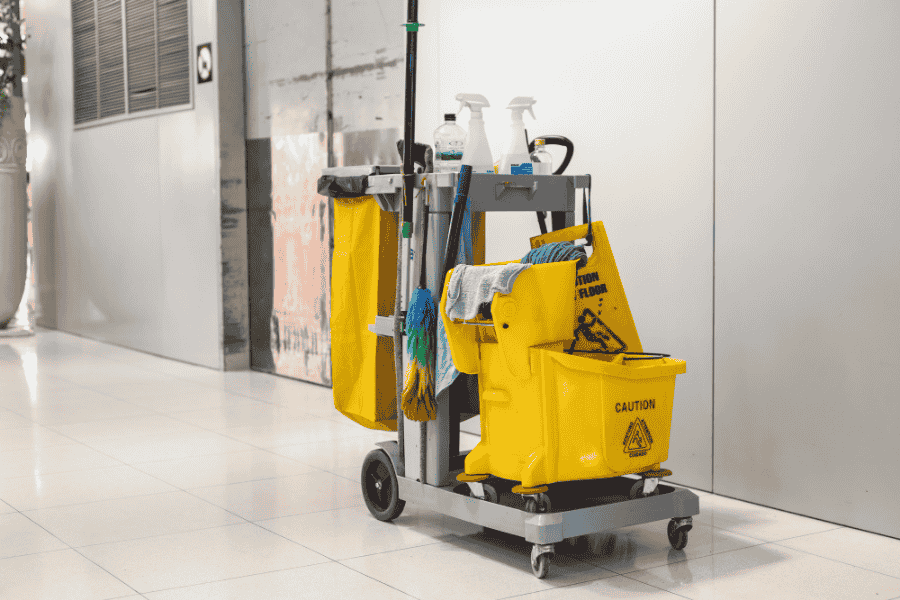
You’re in the middle of a busy lunch rush. Tables full of dirty dishes, glasses piling up, and guests waiting for a clean spot. Without the right afruimwagens, chaos takes over but with the right cart, operations flow smoothly. These sturdy workhorses are the silent backbone of every professional kitchen, hotel, or healthcare facility.
In this guide, you’ll discover everything about afruimwagens: from the different types to practical buying tips. Whether you run a restaurant, work in a hospital, or manage a catering company, you’ll learn which afruimwagen best fits your needs.
What Are Afruimwagens Exactly?
An afruimwagen is a mobile cart specially designed to efficiently transport used dishes, waste, and cleaning materials. Unlike ordinary serving trolleys, afruimwagens are built to handle heavier loads and withstand constant exposure to moisture and dirt.
They are indispensable in hospitality, healthcare, and facility services. Models range from simple two-tier carts to advanced systems with built-in waste bins and sorting compartments. The main focus is hygiene and durability materials such as stainless steel and industrial-grade plastic dominate their construction.
Why Every Professional Kitchen Needs Afruimwagens
Without proper afruimwagens, you waste valuable time and increase the risk of breakage. A study by Horeca Nederland found that restaurants with efficient clearing systems can turn tables up to 30% faster meaning more guests, more revenue, and less stress for staff.
Imagine a busy hotel breakfast service: hundreds of guests, thousands of dishes, and a tight schedule. With a good afruimwagen, one staff member can clear multiple tables in one round, transport everything safely to the dishwashing area, and return in minutes. Without one? Multiple trips, spilled drinks, and frustration all around.
Main Types of Afruimwagens
1. Traditional Serving Carts with Clearing Function
Classic two- or three-tier models are ideal for smaller restaurants and cafés. Usually made from stainless steel, they can carry 80–150 kg. Brands like Bolero and Bartscher offer reliable models starting around €150.
They’re versatile great for both serving and clearing. Just be mindful of wheel quality; cheap casters are noisy and wear out quickly on uneven floors.
2. Afruimwagens with Sorting Compartments
For larger operations, models with built-in sorting sections are ideal. These afruimwagens include compartments for cutlery, porcelain, glasses, and waste, saving enormous time in dishwashing areas.
Hospitals and care facilities rely heavily on this type. A typical model has four compartments, a load capacity up to 200 kg, and costs between €400–€800. The investment quickly pays off in labor savings.
3. Compact Afruimwagens for Tight Spaces
Running a bistro or café with narrow aisles? Choose a slim model around 40–50 cm wide. These compact afruimwagens are maneuverable and can still carry 60–80 kg.
Look for full swivel casters they make navigation much easier in confined spaces. Some brands even offer foldable versions for maximum space efficiency.
4. Heavy-Duty Afruimwagens for Large Kitchens
Catering companies and event venues need afruimwagens that handle hundreds of kilograms over long distances. Industrial models feature reinforced frames, oversized wheels (minimum 125 mm), and sometimes electric or hydraulic assistance.
Prices start from €1,200, but they last for years. Key features include adjustable shelves, locking wheels, and corrosion-resistant coating. Metos and Rational are well-known suppliers in this category.
Materials: What Works Best in Practice
Stainless steel (AISI 304 or 316) remains the gold standard for afruimwagens. It’s hygienic, heat-resistant, and extremely durable. While pricier, a good stainless-steel cart that lasts 15 years is more economical than three plastic ones lasting five years each.
High-quality plastic (polypropylene or polyethylene) is a solid alternative for budget-conscious businesses. It’s lighter, quieter, and costs half as much as stainless steel. The downside? It can yellow over time and is more prone to cracks from hard impacts. Best for light to medium-duty use, less suited for heavy operations.
Aluminum is rarely used for afruimwagens it dents easily. Some hybrid models combine a stainless-steel frame with plastic shelves, striking a balance between durability and weight.
Practical Buying Tips
Start by calculating your load capacity. Add up a typical clearing round: plates (400g each), glasses (250g), cutlery (100g per piece), plus waste and linens. Add a 30% margin that’s your minimum load requirement.
Wheel diameter matters more than most realize. Wheels under 100 mm are only suited for perfectly smooth floors. For tiles, thresholds, or terraces, choose at least 125 mm. Heavy-duty carts for large kitchens need 150–200 mm wheels for smooth rolling when fully loaded.
Hygiene certifications are essential. Ensure your afruimwagen meets HACCP standards and is dishwasher-safe if applicable. Some models feature rounded corners and seamless joints to prevent bacterial buildup a must in hospitals and care environments.
Maintenance: Keep Your Afruimwagen Running for Years
Daily cleaning is non-negotiable. Rinse your afruimwagen after every shift with hot water and a pH-neutral cleaner. Harsh chemicals can damage both plastic and stainless steel. Avoid bleach it destroys stainless steel’s protective layer.
Check wheels and bolts monthly. Loose bolts lead to wobbling and eventual accidents. Lubricate wheel axles quarterly with food-safe oil to prevent squeaks and extend lifespan. Replace damaged wheels immediately to avoid uneven strain.
For stainless steel carts, use a special polish twice a year to restore shine and strengthen corrosion resistance. For plastic models, avoid abrasive sponges that cause micro-scratches where bacteria can grow.
Safety and Ergonomics
Overloading is the most common mistake. An afruimwagen rated for 100 kg can technically handle 120 but that stresses the frame, wheels, and staff. Labor inspectors consider overloading a workplace safety violation.
Train staff on proper pushing techniques: straight back, push with legs, not arms. For heavy loads, pulling gives better control. Install brakes on all carts used on slopes nothing worse than a runaway cart full of glassware.
Visibility is also key in busy kitchens. Consider models with reflective strips or bright colors. Some hospitals use color-coding: red afruimwagens for medical waste, blue for clean laundry, green for food service.
Costs and Return on Investment
Budget afruimwagens (€100–€200) suit startups or light use. Expect 3–5 years of service. Typically plastic shelves and basic wheels fine for cafés, too light for heavy restaurant use.
Mid-range models (€300–€600) offer stainless-steel frames, better wheels, and higher load capacities. They last 10–15 years with proper care just €2–€4 per month in long-term value.
Premium industrial afruimwagens (€800–€2,000) are built for hotels, catering, and large kitchens. They feature height-adjustable shelves, deep drawers, and hospital-grade materials. The ROI comes from reduced labor and lower replacement costs. A €1,500 cart can save €200 per year in labor payback time: 7.5 years, lifespan 20+ years.
Where to Buy Reliable Afruimwagens
Horeca Traders and XXLhoreca are major Dutch suppliers with broad selections and competitive pricing. They often offer free shipping on orders above €500. Always check the specifications “stainless steel” can mean RVS 201 (budget, prone to rust) or RVS 316 (premium, highly corrosion-resistant).
For specialized needs, visit a physical showroom. Companies like Koeleman Horeca and Hupfer allow you to test carts under load, ensuring the right fit and maneuverability for your team.
Also consider the second-hand market. Hospitality auctions often feature premium afruimwagens at a fraction of new prices. Check wheel condition and weld seams these are the weak points. A two-year-old Metos cart for €400 instead of €1,200 new? A solid deal if well-maintained.
The Future of Smart Afruimwagens and Automation
Some major hotels are testing self-driving afruimwagens with sensors and AI. These robotic carts follow programmed routes and can even use elevators. However, at €15,000–€30,000 each, they remain out of reach for most businesses.
More realistic innovations include IoT features: afruimwagens with weight sensors that alert when full or RFID tags for tracking usage in large facilities. Some hospitals already use this to monitor cart activity in real time.
Material innovation is also advancing antibacterial coatings with silver ions and self-cleaning surfaces inspired by lotus leaves are being tested. In 5–10 years, these may become standard in premium models.
FAQs
Q: What’s the difference between an afruimwagen and a serving trolley?
A: Afruimwagens are built for heavy loads and dirty dishes, while serving trolleys are made for presenting food and drinks. Afruimwagens often have deeper trays or bins to prevent spills.
Q: How often should I replace the wheels of my afruimwagen?
A: With daily commercial use, wheels last 2–4 years on average. Heavy-duty wheels can last 5–7 years. Replace them if you notice squeaks, flat spots, or cracks.
Q: Can afruimwagens go through a dishwasher?
A: Some stainless-steel afruimwagens are HACCP-certified and safe up to 85°C. Always check specifications plastic or electric models should never be washed that way.
Q: What’s a reasonable load capacity for a restaurant afruimwagen?
A: For most restaurants, 80–120 kg is ideal roughly 40–60 plates with glasses and cutlery. Hotels often need 150–200 kg. Consider both weight and volume.
Q: Are plastic or stainless-steel afruimwagens better?
A: Stainless steel wins for hygiene, durability, and lifespan (15–20 years vs. 5–8 for plastic). Plastic is cheaper and quieter great for cafés or light use.
Conclusion
A good afruimwagen is more than a cart it’s an investment in efficiency, safety, and staff comfort. Whether you choose a €150 budget model or a €1,500 heavy-duty system, the key is finding one suited to your operation.
Look beyond the purchase price. Consider total lifetime costs, including maintenance and replacements. A more expensive cart that lasts twice as long is cheaper in the long run. And don’t forget your staff an ergonomic, smooth-rolling afruimwagen reduces fatigue and boosts productivity.
Start by analyzing your needs: load capacity, usage frequency, and workspace layout. Test models whenever possible before buying. Your perfect afruimwagen is out there it’s just about finding the right match.
