

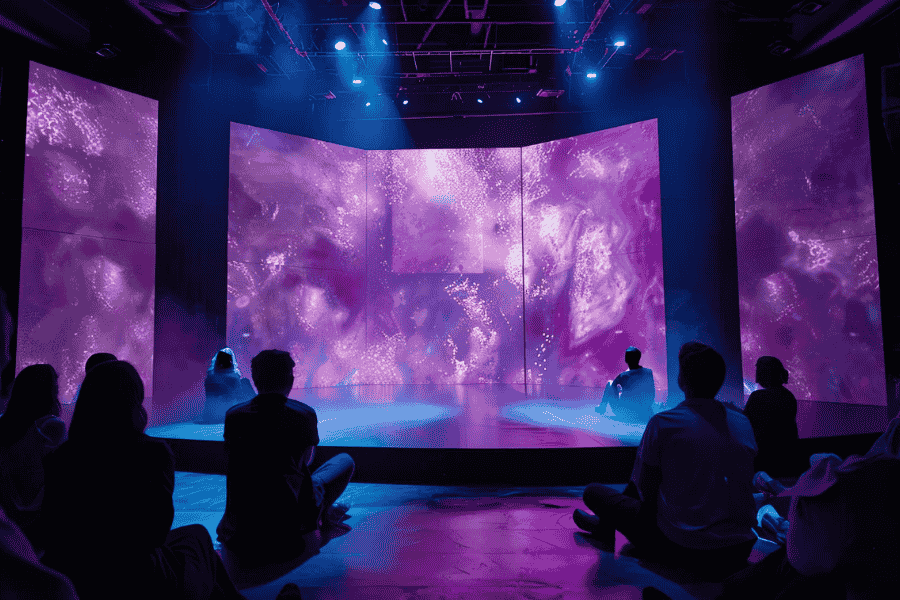
The world of entertainment has witnessed countless innovations, but few concepts have captured the imagination quite like Spaietacle. This groundbreaking approach to visual storytelling combines traditional theatrical elements with cutting-edge technology, creating an experience that transcends conventional boundaries. As audiences worldwide seek more engaging and memorable entertainment options, Spaietacle has emerged as a transformative force in the industry, redefining what it means to be truly captivated by a performance.
The emergence of this entertainment format represents a significant shift in how creators approach audience engagement. Unlike traditional shows that rely solely on passive viewing, this innovative method encourages active participation and emotional investment from every attendee. Through carefully orchestrated visual elements, spatial dynamics, and narrative techniques, it creates an atmosphere where spectators become part of the experience rather than mere observers.
Understanding the Core Concept of Spaietacle
At its foundation, Spaietacle represents a fusion of spatial awareness and spectacular presentation. The term itself suggests a marriage between space utilization and theatrical spectacle, though its actual meaning extends far beyond this simple interpretation. This entertainment philosophy emphasizes the relationship between performers, audience members, and the physical environment they share.
What distinguishes this approach from conventional entertainment is its holistic consideration of every sensory element. From lighting design that responds to audience movement to soundscapes that adapt based on crowd energy, every component works in harmony to create a cohesive experience. The creators behind this movement understand that modern audiences crave authenticity and connection, elements that traditional formats sometimes struggle to deliver.
| Key Element | Traditional Entertainment | Spaietacle Approach |
|---|---|---|
| Audience Role | Passive observers | Active participants |
| Space Utilization | Fixed seating arrangements | Dynamic spatial design |
| Technology Integration | Basic lighting and sound | Immersive multimedia systems |
| Narrative Structure | Linear storytelling | Multi-dimensional experiences |
| Engagement Level | Visual and auditory | Multi-sensory immersion |
The Historical Evolution Leading to Spaietacle
Entertainment has always been about pushing boundaries and exploring new possibilities. From ancient Greek amphitheaters to Renaissance-era performance halls, each era has contributed unique innovations to how we experience live performances. The development of this contemporary format builds upon centuries of theatrical tradition while incorporating twenty-first-century technological capabilities.
During the late twentieth century, artists began experimenting with environmental theater and immersive installations. These early pioneers recognized that breaking down the barrier between performer and audience could create more meaningful connections. Their experiments laid the groundwork for what would eventually evolve into the comprehensive approach we see today. The digital revolution accelerated this evolution, providing creators with tools previously unimaginable.
Technical Components That Define Spaietacle
The technical infrastructure supporting this entertainment format represents a remarkable achievement in modern engineering and design. Advanced projection mapping systems allow creators to transform any surface into a dynamic canvas, while spatial audio technology ensures every audience member enjoys optimal sound quality regardless of their position. These technical elements work seamlessly together, creating an environment where the boundaries between physical and digital reality blur.
Lighting design plays a crucial role in establishing atmosphere and guiding audience attention. Rather than relying on traditional stage lighting, this approach employs intelligent systems that respond to performance dynamics in real-time. Sensors throughout the venue monitor crowd reactions, allowing the system to adjust intensity, color, and patterns to enhance emotional impact. This responsive technology ensures that no two performances are exactly alike, as each show adapts to its specific audience.
Creative Applications Across Different Venues
The versatility of Spaietacle makes it suitable for various entertainment contexts, from intimate theater spaces to large-scale outdoor festivals. Smaller venues benefit from the format’s ability to maximize limited space, using vertical dimensions and creative staging to expand the perceived environment. Performers can interact with digital elements projected onto walls, floors, and even ceilings, transforming compact areas into expansive worlds.
Large venues present different opportunities and challenges. In stadium settings, this entertainment approach excels at maintaining intimacy despite physical distance. Through strategic use of distributed visual displays and localized sound zones, creators ensure that audience members throughout the venue feel equally connected to the performance. This scalability has made the format increasingly popular for major concerts, theatrical productions, and corporate events.
The Psychology Behind Audience Engagement
Understanding why this approach resonates so strongly with modern audiences requires examining the psychological principles at play. Human beings are naturally drawn to experiences that stimulate multiple senses simultaneously and provide opportunities for active participation. By designing environments that encourage exploration and discovery, creators tap into fundamental aspects of human curiosity and engagement.
Research in cognitive psychology demonstrates that people remember experiences more vividly when they feel personally involved. Traditional entertainment formats often create passive experiences where audiences receive information without contributing to the narrative. The immersive nature of Spaietacle transforms attendees into co-creators, allowing them to influence certain aspects of the performance through their presence and reactions. This participatory element generates stronger emotional connections and more lasting memories.
Impact on the Entertainment Industry
The influence of this innovative format extends throughout the entertainment sector, inspiring creators across multiple disciplines to reconsider their approaches. Theater companies are redesigning performance spaces to accommodate more flexible staging configurations. Concert promoters are investing in advanced technology that enables more interactive experiences. Even traditional cinema is exploring ways to incorporate elements of spatial awareness and audience participation.
Economic impacts have been equally significant. Venues that adopt this entertainment philosophy often see increased ticket sales and improved audience retention. The unique nature of each performance encourages repeat attendance, as people want to experience how different crowds and circumstances affect the show. This repeatability factor has proven especially valuable for long-running productions seeking sustained profitability.
Future Developments and Innovations
Looking ahead, the evolution of Spaietacle promises even more exciting possibilities. Advances in virtual reality and augmented reality technology will likely play increasingly important roles, allowing creators to layer digital elements onto physical spaces with unprecedented precision. Artificial intelligence may enable performances that adapt not just to general crowd reactions but to individual preferences and responses.
Sustainability considerations are also shaping future developments. As environmental consciousness grows, creators are exploring how to deliver spectacular experiences while minimizing ecological impact. Energy-efficient lighting systems, sustainable set materials, and digital alternatives to physical props represent just a few areas of innovation. These efforts ensure that the entertainment format can continue evolving while respecting planetary boundaries.
FAQs
Q: What is Spaietacle?
A: It’s an innovative entertainment format blending spatial design, storytelling, and technology for immersive experiences.
Q: How is Spaietacle different from traditional shows?
A: Unlike passive viewing, it turns audiences into active participants through interactive visuals and sound.
Q: What technologies power Spaietacle?
A: It uses projection mapping, spatial audio, and responsive lighting to create dynamic performances.
Q: Where can Spaietacle be experienced?
A: From small theaters to massive festivals, it adapts to any venue size and audience scale.
Q: Why is Spaietacle the future of entertainment?
A: It fulfills modern demand for emotional connection, sensory engagement, and real-time participation.
Conclusion
The emergence of Spaietacle represents a pivotal moment in entertainment history, marking a transition from passive consumption to active participation. By thoughtfully combining spatial design, advanced technology, and deep understanding of human psychology, this approach creates experiences that resonate on multiple levels. As audiences continue seeking more meaningful connections with the entertainment they consume, this innovative format stands poised to shape the industry’s future for decades to come.
The success of this entertainment philosophy demonstrates that people crave experiences that engage them holistically, challenging their perceptions while providing genuine emotional connection. Whether you are a creator seeking to push artistic boundaries or an audience member looking for truly memorable experiences, understanding this transformative approach opens doors to extraordinary possibilities. The future of entertainment is here, and it invites us all to participate in creating magic together.
