

Agriculture has evolved tremendously over centuries, yet some traditional practices remain invaluable in modern farming. One such technique that continues to hold significance is simbramento, a specialized sowing method that has shaped agricultural landscapes across various regions. This comprehensive guide explores the intricate details of simbramento, its historical context, practical applications, and relevance in contemporary sustainable agriculture.
Understanding Simbramento and Its Agricultural Significance
Simbramento refers to the systematic process of sowing or planting seeds in prepared soil, following specific patterns and techniques that maximize crop yield and soil health. This agricultural practice encompasses not just the act of planting but the entire methodology surrounding seed distribution, soil preparation, and timing considerations that ensure optimal germination and growth.
The term itself carries deep roots in agricultural traditions, particularly in Mediterranean and Latin American farming communities where precision sowing has been practiced for generations. Unlike random seed scattering, simbramento involves calculated spacing, depth control, and environmental awareness that transforms simple planting into a science-backed agricultural practice.
Farmers who master this technique understand that successful cultivation begins long before harvest season. The foundation of productive farming lies in how well the simbramento process is executed, affecting everything from plant density to resource efficiency.
| Simbramento Component | Purpose | Impact on Yield |
|---|---|---|
| Seed Spacing | Prevents overcrowding | 15-25% increase |
| Depth Control | Ensures proper germination | 20-30% improvement |
| Soil Preparation | Enhances nutrient availability | 10-20% boost |
| Timing Selection | Aligns with climate conditions | 25-35% optimization |
The Historical Evolution of Simbramento Techniques
Agricultural communities have practiced various forms of organized planting for millennia, but the formalized concept of simbramento emerged from the need to standardize and improve traditional farming methods. Ancient civilizations recognized that haphazard seed distribution led to uneven crop development, resource competition, and reduced harvests.
Throughout history, different cultures developed unique approaches to this practice. Mediterranean farmers perfected row planting techniques that allowed for efficient irrigation and maintenance. Meanwhile, indigenous Latin American communities created sophisticated systems that incorporated crop rotation and companion planting into their sowing strategies.
The industrial revolution brought mechanization to agriculture, yet the fundamental principles of simbramento remained unchanged. Modern seed drills and planters simply automated what careful farmers had done by hand for centuries, maintaining the precision and intentionality that define this practice.
Essential Principles Behind Effective Simbramento
Successful implementation of simbramento requires understanding several interconnected principles that work together to create optimal growing conditions. These principles form the backbone of efficient agricultural production and cannot be overlooked by serious cultivators.
Soil Preparation and Analysis
Before any seeds touch the ground, proper soil preparation sets the stage for successful germination. This involves testing soil composition, adjusting pH levels, incorporating organic matter, and ensuring adequate drainage. The quality of simbramento directly correlates with how thoroughly farmers prepare their fields.
Soil structure matters immensely because it affects water retention, air circulation, and root penetration. Compacted or poorly aerated soil creates barriers to healthy plant development, regardless of seed quality or planting technique. Breaking up hard soil, removing rocks and debris, and creating a fine tilth provide seeds with the environment they need to thrive.
Seed Selection and Treatment
Choosing appropriate seed varieties for specific climatic conditions and soil types represents another crucial aspect. The practice of simbramento extends to seed preparation, which may include treating seeds with beneficial fungi, bacteria, or protective coatings that enhance germination rates and early growth vigor.
| Seed Treatment Type | Benefits | Best Used For |
|---|---|---|
| Fungicide Coating | Disease prevention | High-moisture environments |
| Bacterial Inoculation | Nitrogen fixation | Legumes and similar crops |
| Nutrient Priming | Faster germination | Cool-season planting |
| Protective Polymer | Water retention | Arid climates |
Seasonal Considerations for Simbramento Success
Timing plays an absolutely critical role in agricultural success. The concept of simbramento inherently includes understanding when to plant different crops based on temperature patterns, moisture availability, and day length requirements. Farmers who ignore seasonal cues often face disappointing results despite perfect execution of other planting techniques.
Spring planting dominates in temperate regions, as warming soils and increasing daylight trigger germination mechanisms in many crop species. However, fall sowing works better for certain crops that require cold stratification or want to establish roots before winter dormancy. Understanding these nuances separates average farmers from exceptional ones.
Climate change has complicated traditional planting calendars, making the practice of simbramento more challenging yet more important than ever. Farmers must now adapt their timing based on shifting weather patterns while maintaining the core principles that ensure successful crop establishment.
Modern Applications and Technological Integration
Contemporary agriculture has embraced technology without abandoning the fundamental wisdom embedded in traditional simbramento practices. Precision agriculture tools now assist farmers in executing this ancient technique with unprecedented accuracy and efficiency.
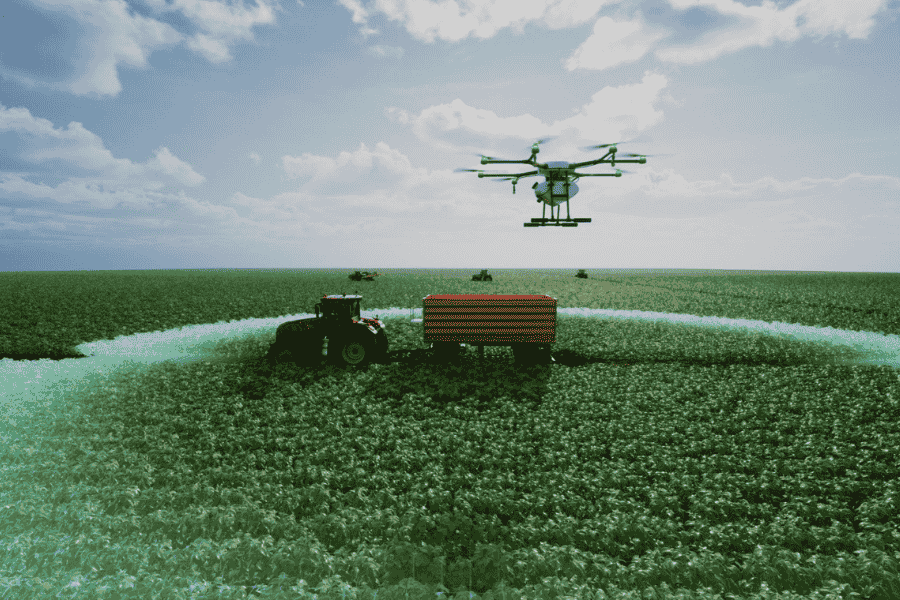
GPS-guided tractors ensure perfectly straight rows and consistent spacing across hundreds of acres. Soil sensors provide real-time data about moisture levels and nutrient content, allowing farmers to adjust their approach before problems develop. Drone technology enables monitoring of plant emergence patterns, identifying areas where additional attention might be needed.
Despite these technological advances, the human element remains irreplaceable. Experienced farmers still walk their fields, observing subtle signs that machines might miss. This combination of traditional knowledge and modern tools represents the evolution of simbramento for the twenty-first century.
Sustainable Agriculture and Environmental Stewardship
Environmental consciousness has transformed how farmers approach the practice of simbramento. Sustainable techniques now emphasize minimal soil disturbance, reduced chemical inputs, and integration with natural ecosystems. Cover cropping, no-till planting, and organic amendments represent modern interpretations of ancient principles.
Water conservation has become particularly important in regions facing drought or water scarcity. Efficient simbramento techniques minimize water waste through proper spacing and mulching strategies that reduce evaporation. Drip irrigation systems complement precise planting patterns, delivering moisture exactly where needed.
Common Challenges and Solutions in Simbramento
Every agricultural practice faces obstacles, and understanding these challenges helps farmers develop effective solutions. Weather unpredictability ranks among the most significant concerns, as unexpected frost, excessive rain, or prolonged drought can devastate recently planted fields.
Pest and disease pressure represents another constant challenge. Birds, rodents, and insects often target freshly planted seeds, while soil-borne pathogens attack vulnerable seedlings. Integrated pest management strategies, combined with resistant varieties and proper cultural practices, help mitigate these risks without excessive chemical dependence.
| Challenge | Traditional Solution | Modern Approach |
|---|---|---|
| Bird Predation | Scarecrows and netting | Reflective tape and sound deterrents |
| Soil Compaction | Manual tilling | Conservation tillage equipment |
| Weed Competition | Hand removal | Mulching and cover crops |
| Poor Germination | Seed soaking | Priming and pelleting |
Economic Considerations and Return on Investment
The financial aspect of simbramento cannot be ignored, as farmers must balance ideal practices with economic reality. Quality seeds cost more than cheap alternatives, but higher germination rates and vigor often justify the investment. Similarly, soil amendments and preparation work require upfront costs that pay dividends through increased yields.
Labor represents a significant expense, whether accomplished through hired workers or family effort. Mechanization reduces labor needs but requires capital investment in equipment. Small-scale farmers face different economic calculations than large commercial operations, yet both must optimize their approach to remain viable.
Market conditions also influence sowing decisions. Crop prices, storage capacity, and buyer contracts all factor into what gets planted and when. Successful farmers integrate the practice of simbramento with broader business planning, ensuring that agricultural techniques align with financial goals.
Future Trends and Innovations of Simbramento
Agricultural innovation continues accelerating, promising exciting developments in how farmers approach traditional practices like simbramento. Robotics and artificial intelligence may soon enable individualized care for every plant, adjusting conditions based on real-time needs. Genetic advances could produce seeds programmed for specific environmental conditions, reducing the guesswork in timing and placement.
Climate adaptation will drive much innovation as farmers confront increasingly volatile weather patterns. Drought-resistant varieties, heat-tolerant crops, and flexible planting systems will become essential tools. The core principles of proper sowing will remain constant, but their application will become increasingly sophisticated.
FAQs
Q: What is simbramento in agriculture?
A: Simbramento is a precise sowing method focusing on seed spacing, depth, and timing to boost yield and soil health.
Q: How does simbramento differ from traditional planting?
A: Unlike random scattering, simbramento uses measured patterns for even growth and better resource use.
Q: Why is simbramento important today?
A: It combines ancient precision with modern tech, supporting sustainable, high-yield farming.
Q: What are the key steps in simbramento?
A: Soil preparation, seed selection, spacing, depth control, and timing are its main components.
Q: How does technology enhance simbramento?
A: GPS tools, sensors, and drones refine accuracy, monitor crops, and reduce waste.
Conclusion
Simbramento represents far more than simply putting seeds in the ground. This comprehensive agricultural practice encompasses soil preparation, seed selection, timing considerations, and environmental awareness that together create conditions for successful crop production. Whether practiced by small subsistence farmers or large commercial operations, the fundamental principles remain remarkably consistent across scales and contexts.
As agriculture faces unprecedented challenges from climate change, population growth, and resource limitations, traditional wisdom embedded in practices like simbramento becomes increasingly valuable. Combining time-tested techniques with modern technology and scientific understanding offers the best path forward for feeding humanity while stewarding our planet responsibly.
Understanding and properly implementing simbramento techniques separates merely adequate farming from truly excellent agricultural practice. Those who invest time in mastering these principles, adapting them to local conditions, and remaining open to innovation will find themselves well-positioned for success in an ever-changing agricultural landscape. The seeds we plant today, using methods refined over generations, will determine the harvests we reap tomorrow.
