

Asbestlint is a term that might not ring a bell for many homeowners, but it’s crucial to understand its implications. This material, once widely used in construction and insulation, poses serious health risks if disturbed or improperly managed. If you live in an older home or are planning renovations, knowledge about asbestlint can be your first line of defense against potential hazards.
In this blog post, we will dive into what asbestlint really is and how it could be lurking within your walls or ceilings. We’ll discuss the dangers associated with exposure and provide tips on identifying and managing any presence of this hazardous material safely. Awareness is key to ensuring your home remains a safe haven for you and your loved ones. Let’s explore everything you need to know about asbestlint!
Health Risks Associated with Asbestlint Exposure
Asbestlint poses serious health risks that cannot be ignored. This material, often used in building insulation and other applications, releases tiny fibers when disturbed. Inhalation of these fibers can lead to severe respiratory issues.
Prolonged exposure is linked to diseases such as asbestosis, a chronic lung condition causing inflammation and scarring. Mesothelioma is another grave concern; this aggressive cancer affects the lining of the lungs or abdominal cavity.
Even short-term exposure can have lasting effects on your health. Symptoms may not appear until years later, making early detection difficult.
If you suspect asbestlint in your home, it’s crucial to take precautions immediately. Understanding the dangers helps emphasize why proper management is essential for everyone living under its roof. The best approach involves vigilance and proactive measures to ensure safety from this hidden threat.
Identifying Asbestlint in Your Home
Identifying asbestlint in your home can feel daunting. This material often hides in places you may not expect.
Start by examining older homes, especially those built before the late 1980s. Asbestlint was commonly used in insulation, flooring, and even roofing materials during that time. Look for areas where these materials might be present.
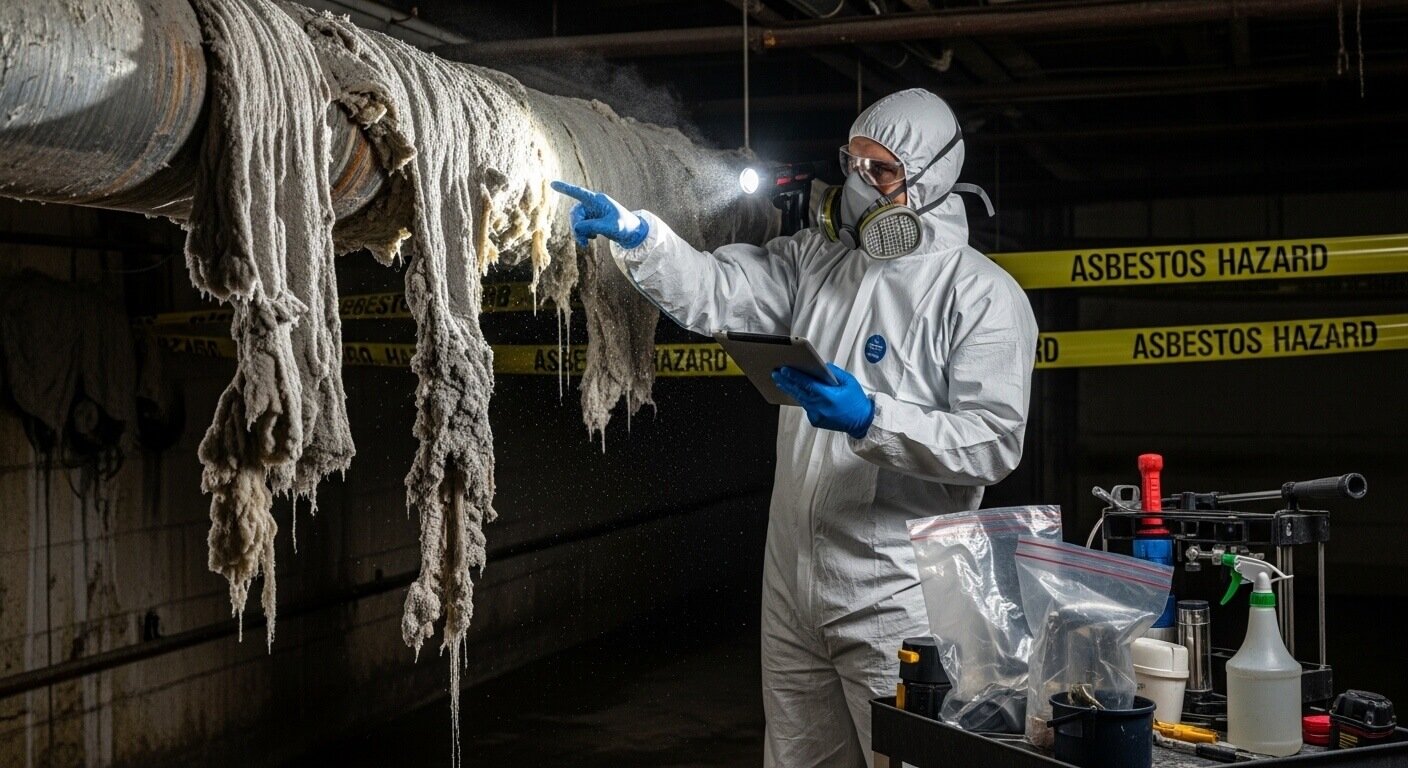
Pay attention to any damaged or frayed insulation around pipes or ducts. If you notice a fuzzy texture or a white, greyish appearance, it could indicate asbestlint.
Check behind walls and ceilings too; popcorn ceilings from this era often contained asbestos fibers. Always remember: if you’re unsure about what you’re seeing, err on the side of caution.
Handle any suspicious material carefully to avoid releasing fibers into the air. It’s essential to take precautions when investigating potential asbestlint locations within your home.
Professional Testing and Removal Options
When it comes to managing asbestlint, professional testing is crucial. Trained experts can assess your home for this hazardous material using specialized equipment. They ensure accurate results and minimize the risk of exposure.
If asbestlint is detected, removal is often necessary. Professionals follow strict protocols to safely contain and remove the asbestos without spreading fibers into the air. This process typically involves sealing off areas and wearing protective gear.
Hiring a licensed contractor provides peace of mind. These specialists understand local regulations and best practices for handling asbestos safely. Their expertise ensures that your home will be free from harmful substances while adhering to legal standards.
Don’t attempt DIY removal if you suspect asbestlint in your home. The risks are too high, both for your health and potential legal consequences. Relying on professionals not only protects you but also guarantees thorough remediation efforts.
DIY Management Techniques for Asbestlint
If you suspect asbestlint in your home, there are some DIY management techniques to consider. Always prioritize safety first.
Wear protective gear, including masks and gloves. This will help minimize exposure while handling potential asbestos materials.
Seal off the area where asbestlint is located. Use plastic sheeting to prevent fibers from spreading throughout your home during any work.
Avoid sanding or disturbing the material directly. Instead, dampen it with water mixed with a few drops of dish soap. This can help reduce airborne particles if necessary removal occurs.
Dispose of any debris properly by placing it in airtight bags designated for hazardous waste. Check local regulations for disposal guidelines specific to asbestlint.
Regularly monitor the condition of materials containing asbestlint. If they remain intact and undisturbed, they may not pose an immediate risk, but continuous vigilance is key for a safe living environment.
Legal Requirements for Handling Asbestlint in Your Area
Handling asbestlint comes with strict legal requirements. Regulations vary by location, so it’s crucial to familiarize yourself with local laws.
In many areas, homeowners must notify authorities before beginning any removal work. This ensures that proper safety measures are in place to protect everyone involved.
Licensing may also be required for contractors who handle asbestos. Always verify their credentials and experience in dealing with asbestlint specifically.
Some regions mandate specific disposal methods for materials containing asbestlint. Failing to follow these guidelines can lead to hefty fines or legal action.
Keep records of any inspections, testing, and remediation efforts related to asbestlint in your home. These documents can be vital if questions arise about past management practices.
Staying informed about changing regulations will help you maintain compliance and ensure a safer environment for you and your family.
Conclusion
Managing asbestlint is crucial for maintaining a safe home environment. The risks associated with exposure to asbestos are well-documented, and understanding how to identify and handle it can protect you and your loved ones. Whether you’re considering professional help or opting for DIY methods, the right approach matters.
Know your legal obligations regarding asbestlint in your area. This ensures that you follow local regulations while minimizing health risks. Take the time to educate yourself on best practices for management and removal.
Creating a safe living space isn’t just about aesthetics; it’s also about safeguarding health. By being proactive in identifying and managing asbestlint, you contribute to a safer community overall. Your vigilance benefits not only your household but also those who may come into contact with materials containing asbestos in shared spaces.
Prioritizing safety leads to peace of mind, allowing everyone at home to feel secure and comfortable. Taking these steps today will pave the way for healthier living conditions tomorrow.
