

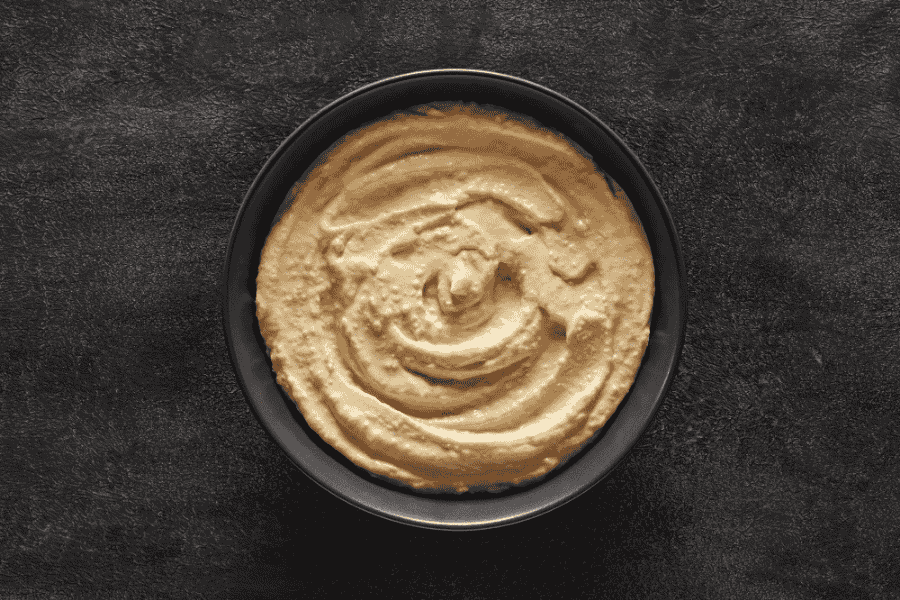
What Is Tahhiini?
Ever spotted a creamy, nutty spread in a Mediterranean dish and wondered what it was? That’s tahhiini a silky paste made from ground sesame seeds, beloved for its earthy flavor and versatility. Often mistaken for peanut butter or hummus, it has its own distinct identity that’s been cherished for thousands of years.
In this article, you’ll learn exactly what tahhiini is, how it’s made, its nutritional value, and smart ways to use it at home. Whether you’re into clean eating, plant-based cooking, or just love trying new flavors, this is worth knowing.
The Origins of Tahhiini
It has deep roots in Middle Eastern and Mediterranean cuisine, tracing back to ancient Persia and the Levant region. The word “tahhiini” comes from the Arabic “ṭaḥīna,” meaning “to grind.” Traditionally, sesame seeds were hulled, roasted, and stone-ground into a smooth paste a process still used by artisanal producers today.
Countries like Lebanon, Israel, Greece, and Turkey each have their own versions. For example:
-
In Lebanon, tahhiini often pairs with lemon juice and garlic to make rich sauces.
-
In Greece, it’s used for desserts like tahini halva.
-
In Israel, it’s drizzled over falafel or shawarma as a condiment.
What Is Tahhiini Made Of?
At its simplest, this contains just two ingredients: sesame seeds and a touch of oil. But depending on the region and brand, you may find variations that include:
-
Light tahhiini: made from hulled, lightly roasted seeds smooth and mild.
-
Dark tahhiini: made from unhulled seeds stronger, slightly bitter flavor.
-
Flavored tahhiini: blended with chocolate, date syrup, or honey for a sweet twist.
Pro Tip: The quality of sesame seeds dramatically affects taste. Look for 100% stone-ground tahhiini with no added sugar or preservatives for authentic flavor.
Health Benefits of Tahhiini
Tahhiini isn’t just delicious it’s packed with nutrients that support a healthy lifestyle. Here’s why nutritionists love it:
-
Heart Health: High in healthy fats like omega-6 fatty acids and phytosterols.
-
Bone Strength: Rich in calcium, magnesium, and phosphorus.
-
Plant-Based Protein: 2 tablespoons contain around 6 grams of protein.
-
Antioxidants: Contains sesamin and sesamolin, which help reduce inflammation.
Example: Adding this to your smoothie or salad dressing can boost satiety and support muscle recovery post-workout.
How Tahhiini Is Used in Cooking
Tahhiini is a kitchen all-rounder. You’ll find it in savory dips, sauces, and even desserts. Here are some delicious ways to use it:
Everyday Uses:
-
Hummus base: The classic combination of chickpeas, lemon, and tahhiini.
-
Salad dressings: Blend tahhiini with garlic, lemon, and olive oil for a creamy drizzle.
-
Sandwich spread: A healthier alternative to mayonnaise or butter.
Creative Ideas:
-
Tahhiini smoothies: Add a spoonful to banana shakes for nutty richness.
-
Desserts: Use in brownies, cookies, or halva.
-
Roasted veggies: Toss carrots or cauliflower in tahhiini sauce for extra flavor.
How to Store and Handle Tahhiini
One of its quirks is that it tends to separate, with oil rising to the top. That’s completely normal!
Here’s how to keep it fresh and smooth:
-
Stir well before each use to blend oil back in.
-
Store in a cool, dark place refrigeration isn’t necessary unless it’s homemade.
-
If refrigerated, let it sit at room temperature before using to make stirring easier.
Producers like Soom Foods and Al Wadi are known for long shelf life and authentic texture.
Common Mistakes to Avoid
Even seasoned cooks can go wrong with tahhiini. Watch out for these:
-
Buying low-quality brands: Cheap tahhiini often tastes bitter or gritty.
-
Using too much in sauces: A little goes a long way balance with lemon or yogurt.
-
Skipping the stir: Unmixed tahhiini leads to uneven flavor and texture.
How to Make Tahhiini at Home
Want a fresh, preservative-free version? It’s easier than you think.
Ingredients:
-
1 cup sesame seeds
-
2–3 tablespoons olive or sesame oil
Steps:
-
Toast sesame seeds in a dry pan until golden.
-
Cool, then blend until crumbly.
-
Add oil gradually and blend until smooth.
-
Store in a sealed jar for up to a month.
Homemade tahhiini has a richer flavor and works beautifully in dips and dressings.
FAQs
Q: Is tahhiini the same as sesame paste?
A: Almost this is a type of sesame paste made from hulled seeds, while Chinese sesame paste uses unhulled seeds and has a darker color.
Q: Can people with nut allergies eat tahhiini?
A: Yes! It’s nut-free, though always check labels for cross-contamination warnings.
Q: How long does tahhiini last once opened?
A: Up to 6 months in a cool pantry or 12 months in the fridge.
Q: What can I substitute for tahhiini?
A: Try sunflower seed butter or almond butter for similar texture, though flavor will differ.
Conclusion
Tahhiini is far more than a dip ingredient it’s a nutrient-dense, flavor-packed staple that belongs in every pantry. With its long history, health perks, and versatility, it bridges cultures and cuisines effortlessly.
So next time you’re meal-prepping, grab that jar of tahhiini. Whether you’re making hummus, salad dressing, or dessert, a spoonful can transform your dish from ordinary to extraordinary.
