

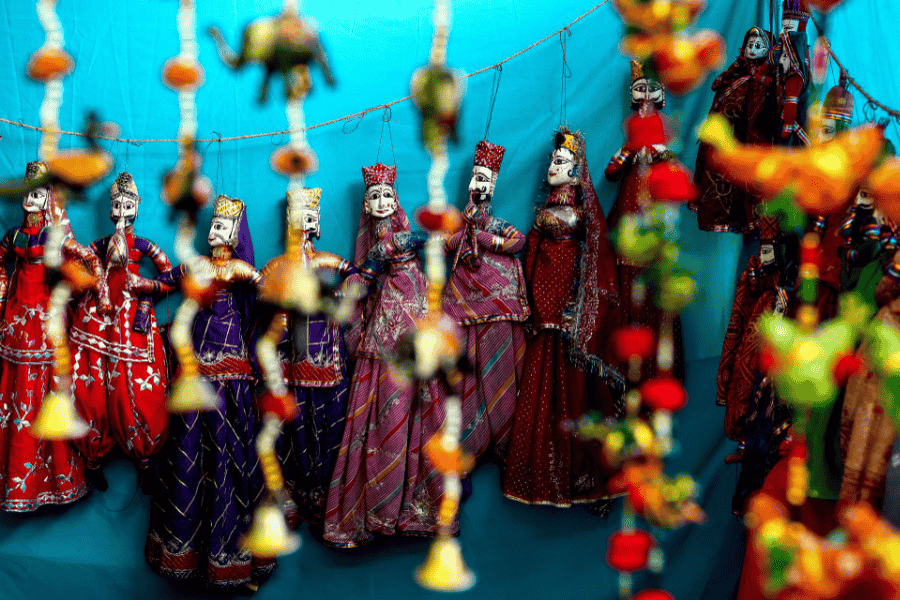
In the vast landscape of cultural traditions that have shaped human civilization, hitaar stands as a remarkable testament to the enduring power of artistic expression. This ancient performance art form transcends mere entertainment, serving as a living archive of cultural memory that bridges past and present. The essence lies in its ability to communicate profound stories, emotions, and philosophical concepts without relying solely on spoken language. Through intricate movements, symbolic gestures, and rhythmic patterns, it creates an immersive experience that resonates deeply with both performers and audiences alike. As modern society grapples with preserving cultural heritage while embracing innovation, hitaar continues to thrive by maintaining its traditional roots while adapting to contemporary contexts.
Understanding the Cultural Heritage of Hitaar
The historical foundations of hitaar stretch back centuries to a time when performance art was inseparable from daily life and spiritual practice. Scholars describe as a sophisticated blend of ritual, storytelling, and entertainment that developed organically within communities seeking to preserve their values and educate future generations. Ancient records reveal that the performances took place during seasonal festivals, community gatherings, and sacred ceremonies where they served multiple purposes simultaneously.
| Historical Aspect | Significance in Hitaar |
|---|---|
| Ritual Performance | Connected communities to spiritual beliefs and ancestors |
| Storytelling Method | Transmitted cultural wisdom and moral lessons |
| Social Function | Strengthened community bonds and shared identity |
| Educational Tool | Preserved knowledge across generations |
| Artistic Expression | Showcased creativity within traditional frameworks |
Performers of hitaar utilized rhythm, body movement, and symbolic gestures to narrate elaborate tales encompassing creation myths, moral parables, and social order. Each performance carried multiple layers of meaning that varied depending on the viewer’s cultural literacy. To casual observers, it appeared as captivating entertainment, while insiders recognized it as a coded transmission of ancestral wisdom and cultural values.
The Symbolic Language of Hitaar Performance
What distinguishes hitaar from ordinary performance art is its reliance on deep symbolism that speaks to universal human experiences. Every movement, pause, and sound within carries specific significance that has been codified and transmitted through generations of practitioners. Performers employ their hands, eyes, and posture to convey complex emotions and narratives with remarkable precision.
The gestural vocabulary of hitaar is extraordinarily detailed. A slow, deliberate hand movement might represent patience, wisdom, or the passage of time. Conversely, a sudden turn of the body could symbolize conflict, resistance, or dramatic change. These gestures are not arbitrary interpretations but form part of an established lexicon that practitioners study extensively.
Musical accompaniment plays an integral role in hitaar performances, blending traditional instruments with rhythm patterns rooted in ancient practices. Drums, strings, and flutes create an auditory backdrop that shapes the mood and emotional journey of each act. The music does not merely decorate the performance but serves as an essential storytelling element that mirrors and amplifies the emotional narrative.
Traditional Elements and Spiritual Dimensions
Traditional costumes worn during hitaar performances are crafted with vibrant colors, intricate patterns, and symbolic accessories that extend beyond mere decoration. These elaborate outfits are deeply tied to the meaning of the performance itself. A performer’s attire might signal their role in the narrative whether warrior, healer, spiritual guide, or ancestor or serve as a visual metaphor for larger themes such as life cycles, transformation, or cosmic balance.
For many practitioners and audiences, hitaar transcends the boundaries of conventional art and becomes a profound spiritual encounter. Performances are frequently tied to rituals that honor ancestors, celebrate fertility, invoke protection for the community, or mark significant life transitions. In this context, it blurs the distinction between performance and prayer, creating a sacred space where the material and spiritual worlds intersect.
| Spiritual Element | Role in Hitaar Practice |
|---|---|
| Ancestral Honoring | Connects present community to heritage |
| Ritualistic Movement | Creates meditative, transformative state |
| Collective Experience | Fosters unity and shared consciousness |
| Sacred Space | Designates performance area as holy ground |
| Symbolic Timing | Aligns with seasonal or celestial events |
Participants consistently describe experiencing a profound sense of unity when engaged in hitaar, as though time slows and everyday concerns dissolve into insignificance. This transcendent quality represents one of the primary reasons it has remained resilient across centuries, offering people both aesthetic pleasure and spiritual grounding in an increasingly fragmented world.
Evolution and Modern Adaptations of Hitaar
While hitaar maintains strong connections to its traditional roots, it has demonstrated remarkable adaptability in response to changing cultural landscapes. Contemporary practitioners increasingly explore diverse styles and techniques that honor the essence of hitaar while incorporating modern sensibilities. This evolution ensures that it remains relevant to younger generations who might otherwise view it as an obsolete relic of the past.
The digital age has significantly impacted how hitaar is practiced, shared, and preserved. Social media platforms enable artists to showcase their skills to global audiences, reaching enthusiasts who might never have encountered this craft through traditional channels. Online tutorials and workshops have made learning hitaar more accessible than ever before, breaking down geographical and economic barriers that previously limited participation.
Technology has also contributed to preservation efforts. Recording technologies capture the intricate sounds, movements, and rhythms unique to hitaar, creating valuable archives for future generations. These digital resources enable aspiring practitioners to study authentic performances and refine their skills based on traditional techniques while developing their own interpretive approaches.
Hitaar in Contemporary Cultural Contexts
In recent years, hitaar has experienced a significant resurgence in popularity, particularly among younger generations seeking meaningful connections to cultural heritage. This revival is driven not only by appreciation for traditional roots but also by recognition of hitaar’s contemporary relevance in addressing modern concerns about authenticity, community, and identity.
Contemporary adaptations of hitaar often blend traditional elements with modern artistic practices, creating vibrant fusions that appeal to diverse audiences. This approach acknowledges that culture is not static but constantly evolving, and that meaningful preservation requires allowing traditions to breathe and transform while maintaining their essential character.
Educational institutions increasingly recognize the value of hitaar as a teaching tool that offers insights into history, philosophy, and cultural values. Schools and universities incorporate into curricula, ensuring that younger generations understand its significance and have opportunities to experience it firsthand. Cultural festivals and public performances bring hitaar to wider audiences, demonstrating its ongoing vitality and universal appeal.
The Symbolic Meaning of Hitaar Across Disciplines
Beyond its origins as performance art, hitaar has become a metaphor applied across various fields and contexts. In literature, writers employ it to explore themes of balance, destiny, and interconnectedness. The concept represents harmony in relationships, strength during adversity, and the blending of seemingly disparate elements into cohesive wholes.
In business and organizational contexts, hitaar symbolizes collaboration and strategic balance. Leaders reference hitaar when discussing the importance of creating synergy within teams and organizations. Just as it connects tradition and progress in cultural contexts, business practitioners use it as inspiration for innovation that honors foundational values while embracing necessary change.
| Application Area | How Hitaar Principles Apply |
|---|---|
| Literature | Metaphor for balance and interconnection |
| Music | Represents harmony and cultural fusion |
| Business | Symbolizes collaboration and synergy |
| Education | Teaches cultural values and history |
| Personal Development | Inspires resilience and authenticity |
| Digital Communities | Fosters connection across boundaries |
The digital realm particularly resonates with hitaar principles. Social media, global communication platforms, and virtual communities all reflect the fundamental idea that hitaar embodies: meaningful connection despite apparent separation. Digital creators incorporate the spirit into content strategies, using balance to reach wider audiences while maintaining authenticity and cultural integrity.
Challenges and Future Directions for Hitaar
Despite its resilience and adaptability, hitaar faces challenges in the modern world. Rapid globalization and cultural homogenization threaten to dilute the distinctive qualities that make hitaar unique. Younger generations, raised in increasingly globalized environments, may struggle to connect with traditional forms that seem disconnected from their daily experiences.
Preserving the authentic essence of hitaar while allowing it to evolve requires careful navigation. Practitioners must balance innovation with tradition, ensuring that adaptations enhance rather than diminish the core values that give its power and meaning. This delicate equilibrium demands ongoing dialogue between traditionalists and innovators, with both perspectives contributing to hitaar’s continued vitality.
Economic pressures also impact hitaar practice. Traditional crafts and performance arts often struggle to compete economically with mass-produced entertainment and digital content. Supporting practitioners financially while maintaining artistic integrity presents ongoing challenges that communities must address through policy, patronage, and public education.
FAQs
Q: What is Hitaar?
A: Hitaar is an ancient performance art blending ritual, storytelling, and spirituality to preserve cultural memory through symbolic movement and music.
Q: Why is Hitaar important today?
A: It connects modern audiences with ancestral wisdom, balancing tradition with innovation in today’s digital age.
Q: How does Hitaar communicate without words?
A: Through gestures, rhythm, and music that express emotions and philosophies beyond spoken language.
Q: What role does symbolism play in Hitaar?
A: Every gesture, costume, and rhythm holds meaning reflecting moral lessons, spiritual beliefs, and community values.
Q: How is Hitaar evolving in the modern world?
A: Artists now blend traditional elements with technology and global platforms to keep Hitaar relevant and accessible.
The Enduring Relevance of Hitaar
The continued relevance of hitaar in contemporary society speaks to fundamental human needs that transcend cultural specifics. At its core, it addresses universal desires for connection, meaning, and beauty. It offers participants and audiences opportunities to experience something larger than themselves, to feel part of a continuum that extends backward to ancestors and forward to future generations.
As technology reshapes virtually every aspect of human life, it reminds us that certain values and experiences remain constant. The need for authentic human connection, for artistic expression that moves the soul, for rituals that mark life’s significant moments these needs persist regardless of technological advancement. It fulfills these needs while adapting its forms to remain accessible and meaningful in changing contexts.
The future of hitaar depends on communities’ commitment to preservation, education, and thoughtful innovation. By supporting practitioners, creating opportunities for learning, and fostering appreciation among younger generations, we ensure that it continues to enrich human culture for centuries to come. This living tradition demonstrates that the past and present need not exist in conflict but can inform and enhance each other, creating cultural expressions that honor heritage while embracing possibility.
