

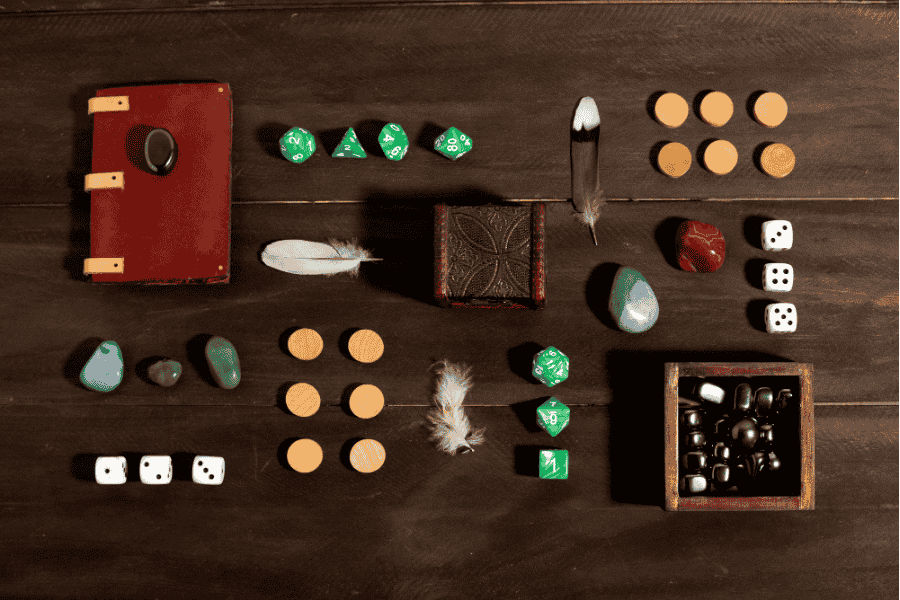
Have you ever played a game that feels as ancient as it is timeless? That’s the magic of Çbiri, a traditional board game that has captured the imagination of Central Asian communities for generations. Combining elements of strategy, chance, and tactical foresight, this invites players to think several moves ahead much like chess or backgammon, yet with its own distinct rhythm and charm.
In this guide, you’ll discover the origins, rules, strategies, and cultural legacy along with why it’s making a quiet comeback among modern board game enthusiasts and cultural revivalists.
What Is Çbiri?
Çbiri is a traditional Central Asian board game that blends strategy, skill, and chance into a competitive yet accessible form of play. Players move tokens across a patterned board, aiming to outmaneuver opponents by predicting their next moves and managing limited opportunities wisely.
Though it may appear simple at first glance, Çbiri hides deep layers of tactical complexity. Success requires sharp observation, adaptability, and the ability to make the best decision from imperfect information much like in real life.
In essence, Çbiri is both a mental duel and a cultural artifact, representing centuries of Central Asian ingenuity, community, and storytelling.
The Origins of Çbiri: A Window into Central Asian Heritage
Çbiri’s history stretches back hundreds of years, originating in nomadic Central Asian tribes who valued games that reflected the balance between luck, intellect, and adaptability essential survival traits on the steppes. The name “Çbiri” is believed to come from a word meaning “the path of skill” in an old Turkic dialect.
Historians trace its use to community gatherings and winter nights when families would play by candlelight, exchanging both strategy and storytelling. Much like Çbiri served as entertainment and education sharpening the mind while passing down cultural wisdom.
How the Çbiri Board Works
A Çbiri board typically consists of:
-
A patterned grid often 8×8 or 10×10 squares
-
Two sets of colored tokens (traditionally bone or wood)
-
A set of dice or counters determining movement options
Each player begins with pieces on opposite ends of the board. The aim is to capture, block, or outmaneuver your opponent while preserving your key pieces a principle somewhat similar to both Go and Mancala.
What sets Çbiri apart is the dual nature of play:
-
Chance — movement may depend on a dice roll or card draw.
-
Strategy — players choose how best to use that move to trap opponents or gain board control.
This blend keeps each round dynamic no two games unfold the same way.
How to Play Çbiri: Step-by-Step Basics
If you’re new to the game, here’s a simplified modern rule set inspired by historical records:
-
Setup:
Place the board between two players. Each places 10–12 tokens on their side, depending on version. -
Determine the first move:
Roll dice (or flip a coin). The winner starts. -
Move your pieces:
Pieces can move one space per turn, horizontally or vertically but not diagonally. -
Capture opponents:
Landing directly on an opponent’s piece captures it and removes it from the board. -
Special rolls:
Rolling certain numbers (like 6 or doubles) allows extra movement or a “defensive block.” -
Winning condition:
The game ends when a player either eliminates all opponent pieces or occupies their starting row.
Modern enthusiasts often adapt Çbiri for faster play, using digital boards or simplified grids.
Strategy and Mindset: The Heart of Çbiri
Winning Çbiri isn’t about luck alone. The greatest players rely on pattern recognition, anticipation, and resource management.
Here are a few tried-and-true tactics:
-
Control the center: Just like in chess, occupying the middle grants more mobility.
-
Bait and block: Leave a weak piece exposed to lure your opponent, then strike.
-
Plan 3 moves ahead: The board’s symmetry encourages forecasting think beyond the current roll.
-
Observe behavior: Every Çbiri player has a rhythm; spotting it early can reveal their next move.
Over time, players develop what locals call “çbiri sight” an intuitive sense of board flow and opponent psychology.
Why Çbiri Still Matters Today
In recent years, Çbiri has seen a cultural revival. Museums in Kazakhstan and Kyrgyzstan have begun hosting Çbiri tournaments, and educators use it to teach critical thinking and mathematical reasoning.
It’s also becoming popular among board game designers who admire its elegant mix of simplicity and complexity much like the appeal of Sudoku or Go.
Beyond fun, it carries lessons about balance: chance meets skill, patience meets intuition. These values reflect the life philosophy of the steppes adaptable, thoughtful, and deeply human.
Modern Adaptations and Digital Revival
Several tech enthusiasts have recreated Çbiri as a mobile and online strategy game, bringing ancient Central Asian culture to new audiences.
You can find these versions on hobbyist forums or platforms like featuring:
-
Adjustable difficulty levels
-
AI opponents mimicking traditional play styles
-
Multiplayer modes for remote matches
Developers are also experimenting with augmented reality (AR) boards, allowing users to play Çbiri virtually on any tabletop surface.
FAQs
Q: Is Çbiri similar to chess?
A: While both emphasize strategy, this includes elements of chance (like dice rolls), making it more unpredictable.
Q: What materials are used in traditional Çbiri sets?
A: Wood, bone, and sometimes carved stones each piece was handcrafted with symbolic patterns.
Q: Can Çbiri be played online?
A: Yes, several fan-made versions and mobile apps simulate with digital boards and AI opponents.
Q: How long does a typical Çbiri game last?
A: A casual game lasts 20–40 minutes, but advanced matches can stretch over an hour.
Q: Where can I learn authentic Çbiri strategies?
A: Look for community guides or workshops in Central Asian cultural centers or online forums dedicated to traditional games.
Conclusion
Whether you’re a fan of board game strategy, cultural exploration, or simply learning something ancient yet relevant, Çbiri offers a refreshing blend of intellect and play. Its legacy reminds us that even simple games can teach profound lessons about foresight, adaptability, and the beauty of uncertainty.
If you’re ready to challenge your strategic instincts, why not set up your own match and experience the timeless thrill for yourself?
